
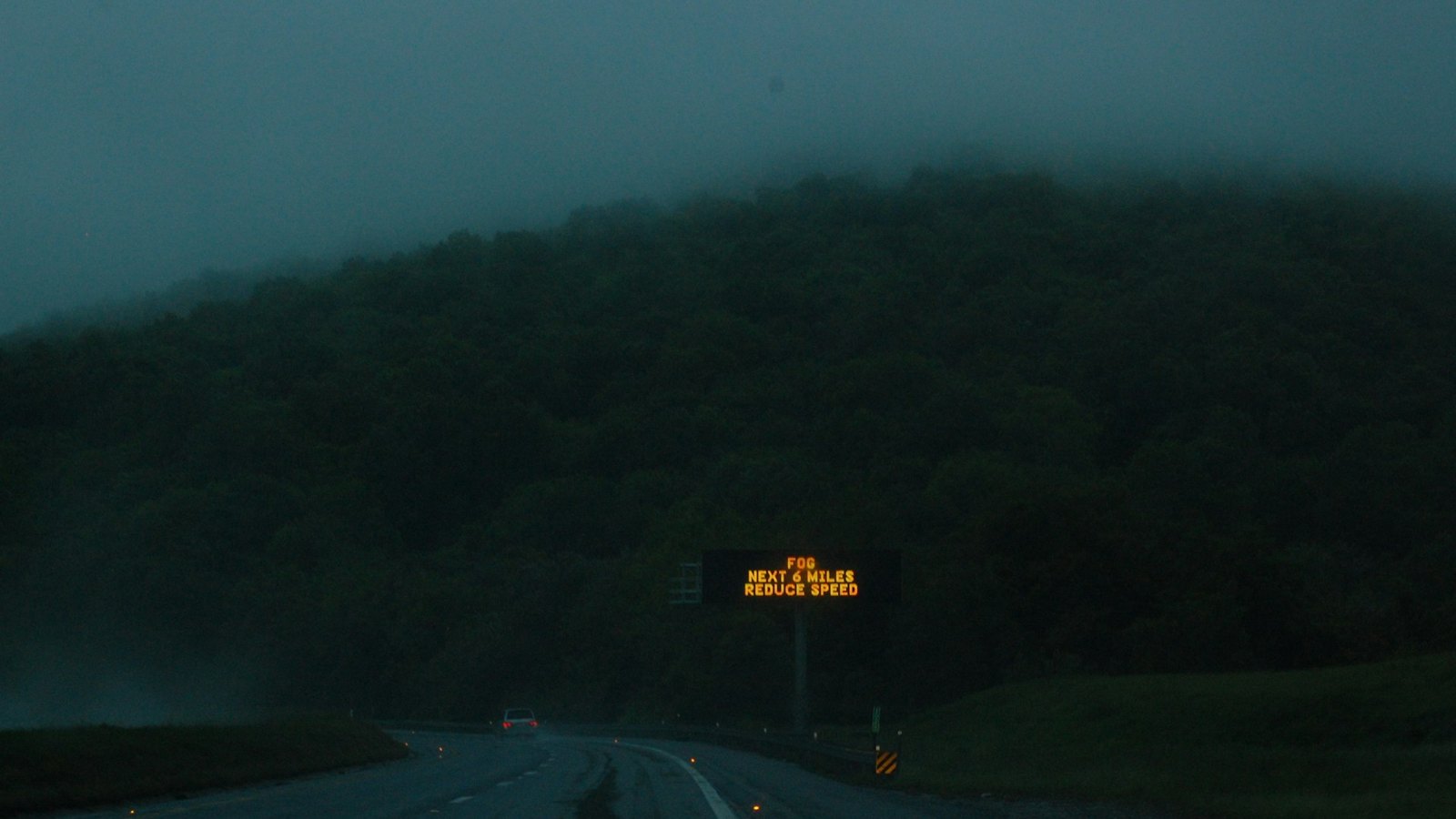
Mindset · blind spots
Scotoma. A blind spot: a part of the field your brain fills in without telling you. On a chart it is the level you did not mark, the setup you stopped seeing because it lost last week, the risk you no longer notice because it has not bitten yet. Everyone has them. The journal is how you find where yours are.
I learned about scotomas from an eye doctor and about mine from a journal. The eye doctor was more tactful. Both of them pointed out that the gap was not in the picture but in me, and that the picture had been complete the whole time.
In the world of trading, the concept of blindspots—also known as scotomas—plays a crucial role in shaping a trader’s decision-making process. A blindspot in trading refers to areas of the market or aspects of analysis that a trader consistently overlooks or misinterprets, often leading to missed opportunities or costly mistakes. This article explores what blindspots are, how they manifest in trading and chart analysis, and strategies to overcome them.
What Are Blindspots (Scotomas)?
The term “scotoma” originates from the field of ophthalmology, describing a partial loss of vision or a blind spot within the visual field. Similarly, in trading, a blindspot represents a gap in perception or awareness—areas where traders fail to see critical information due to biases, emotional influences, or cognitive limitations.
Types of Blindspots in Trading
- Emotional Blindspots
Traders often fall prey to emotional biases such as fear, greed, or overconfidence. These emotions can cloud judgment and create blindspots that prevent objective analysis. - Cognitive Blindspots
These occur when traders rely too heavily on familiar patterns or strategies, ignoring new or contradictory data. Confirmation bias is a common cognitive blindspot where traders seek information that supports their existing beliefs. - Technical Analysis Blindspots
On trading charts, blindspots can emerge when traders focus only on certain indicators or time frames, missing the broader context or underlying trends. - Market Context Blindspots
Ignoring macroeconomic factors, news events, or market sentiment can create significant blindspots, leading traders to misinterpret price movements.
Blindspots on Trading Charts
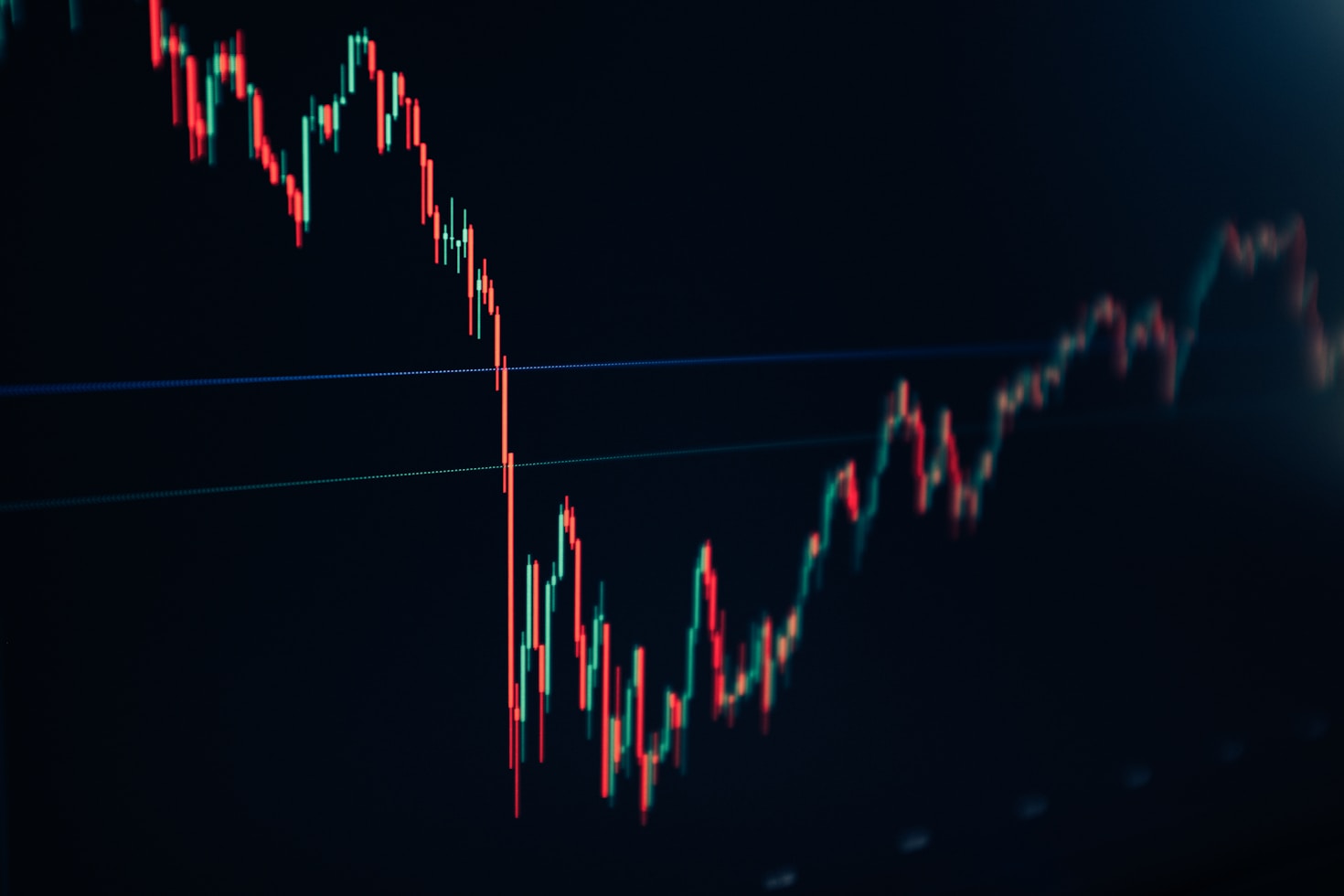
Trading charts are essential tools for technical analysis, but they can also harbor blindspots:
- Over-reliance on Specific Indicators: Using a limited set of indicators may cause traders to miss signals from other valuable tools.
- Ignoring Volume: Volume is a crucial confirmation tool; neglecting it can create a blindspot in understanding market strength.
- Time Frame Myopia: Focusing solely on one time frame can obscure the bigger picture or shorter-term nuances.
- Pattern Misinterpretation: Misreading chart patterns due to lack of experience or bias can lead to incorrect decisions.
How to Identify and Overcome Blindspots
- Self-awareness and Reflection
Regularly reviewing past trades and decisions helps identify recurring errors or overlooked factors. - Diversification of Analysis Tools
Employ multiple indicators and time frames to gain a comprehensive view of the market. - Continuous Learning
Staying updated with market news, economic data, and new trading methodologies broadens perspective. - Seeking External Feedback
Engaging with trading communities or mentors can provide insights into blindspots you might miss. - Emotional Regulation
Developing discipline and emotional control reduces the impact of biases on trading decisions.
Conclusion
Blindspots or scotomas in trading are invisible barriers that can hinder a trader’s success. Recognizing their existence and actively working to mitigate them through diversified analysis, emotional control, and continuous learning can significantly improve trading performance. By illuminating these blindspots, traders can navigate the markets with greater clarity and confidence.
Questions people ask
What is a scotoma in trading?
A blind spot: something on the chart or in your own behaviour that your brain edits out. The level you stopped marking, the setup you no longer see, the losing hour you keep trading.
How do you find your own blind spots?
You cannot, by looking harder; that is the definition. You find them in the journal, in a weekly review against a written standard, and from other traders who watch you trade.
Does the night session create particular blind spots?
Yes. Fatigue narrows attention, and the quiet hours make you see setups that are not there because you want something to do. Both show up in my journal as clusters of ‘not a setup’ after 11 pm.
Trade the session your life actually allows.
The night session is a complete market. Learn how it moves, watch me trade it live, read the write-up the next morning, and if you want people who trade the same hours, there is a room for that.
Disclosure. Midnight Futures is an educational site written by Scott West, a private trader. Nothing here is financial advice, and trading futures carries a substantial risk of loss. Some links to the tools and prop firms I use are affiliate links: if you buy through them I may earn a commission at no extra cost to you. Full disclosure · Risk disclaimer