
Winning in the Globex Futures Market
Category: Lessons
-
The schedule that fits serious futures trading into an evening after work: preparation during the halt, one window, a one-minute journal per trade, a hard stop, morning review, and the rules that make it hold.
-
The risk rules that keep a night trader in the game: the platform-enforced daily loss limit, three strikes, structural stops, fixed small size, scaling out, news handling, prop firm rules and sleep.
-

Why gold’s natural participants are awake during the Globex session, what moves it after dark, how the setups change compared with ES and NQ, and why the tick math argues for the micro contract first.
-

The three setups that have survived in my overnight journal: the first touch of a fresh level, the spike wick at a planned level, and acceptance beyond the range on volume. Plus the veto and what does not work.
-

The handful of levels I mark before every overnight session, where each one comes from, how I grade them A, B or C during the halt, and why a level is where you plan, not where you trade.
-
The parts of the overnight session I have learned not to trade: the quiet hours, the first reopen candles, news in a thin book, the 5 pm halt, the 8:30 data, holiday nights and a bad day at work.
-
The European open brings the heaviest overnight volume of the night. What happens at 2 and 3 am Eastern, how it differs from Tokyo, and how to trade it.
-
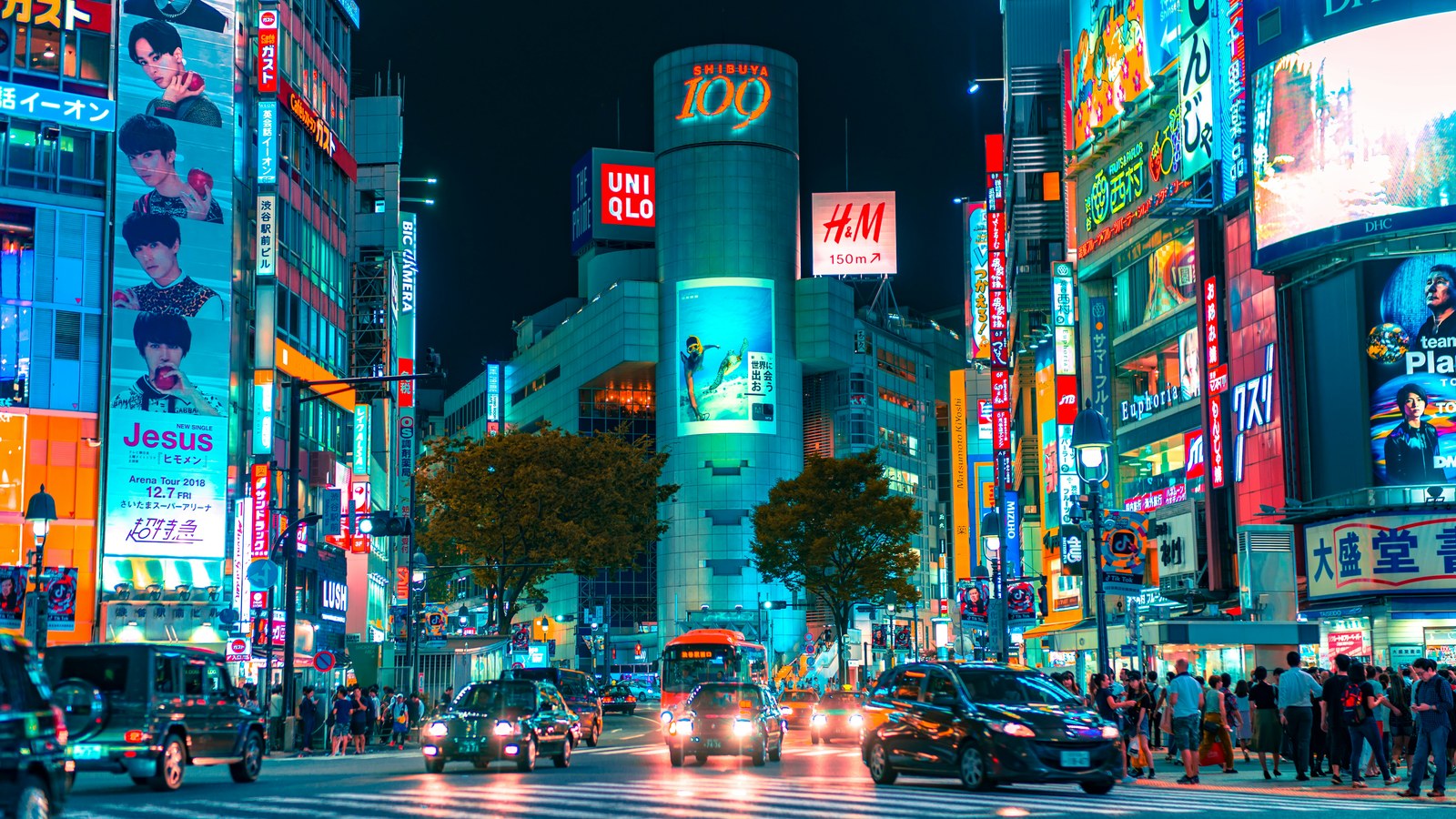
Why the hour after the Tokyo open has been my most productive hour of the trading day, what happens in the window, and how I trade it.
-
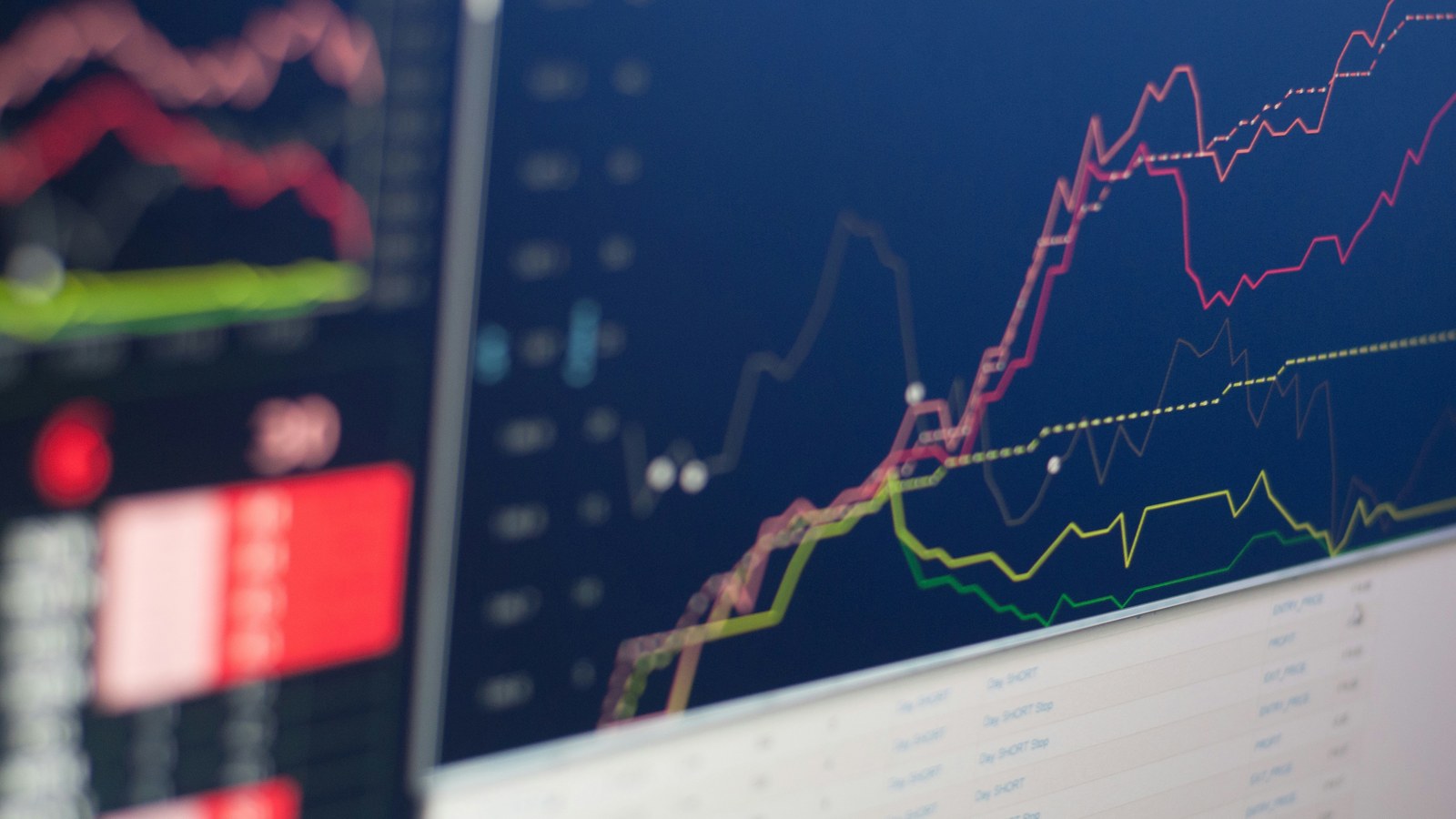
How much volume trades in the futures market overnight, where it comes from, how to see it with a session profile and order flow, and what it changes about your trading.
-
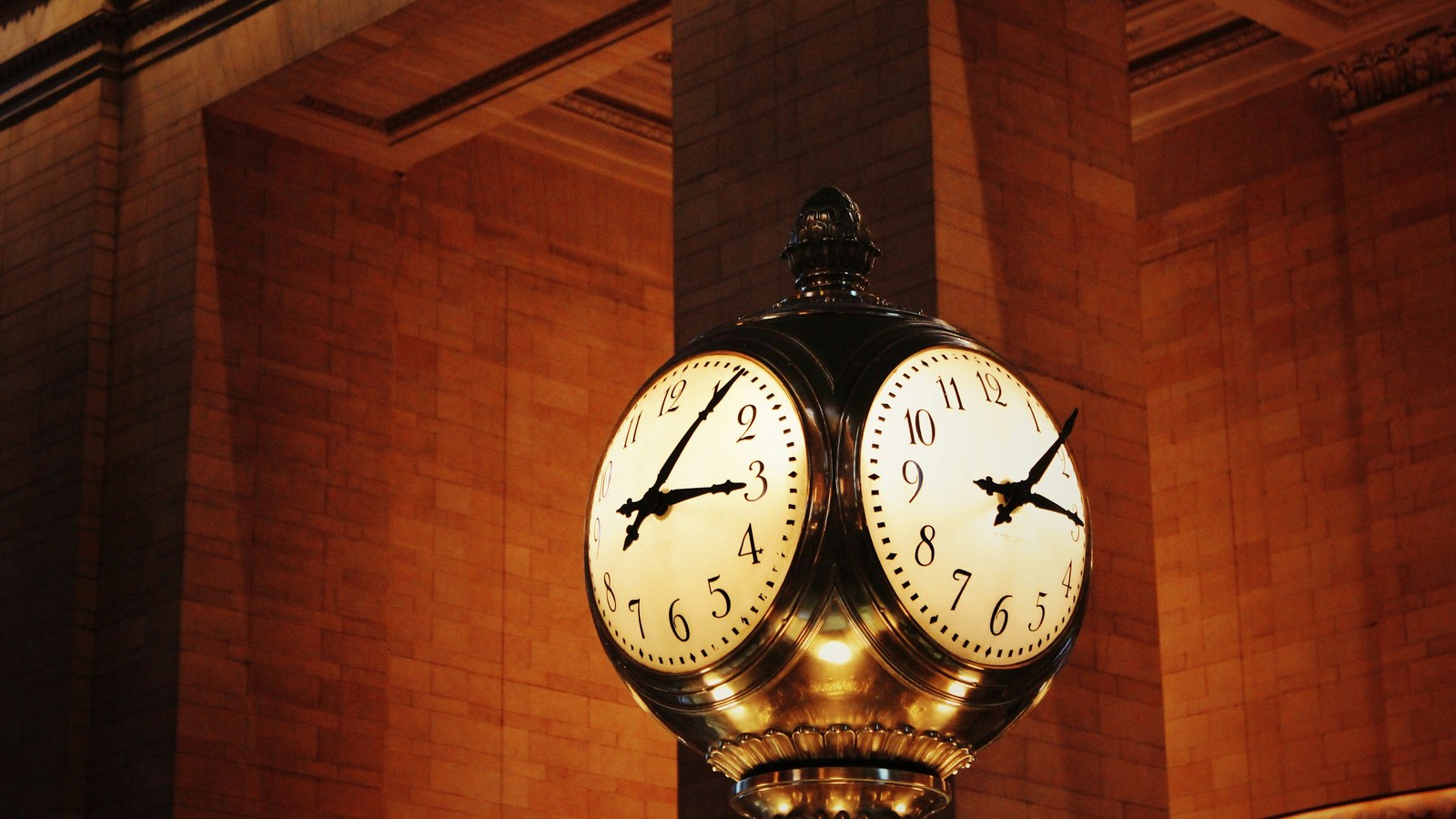
The overnight session hour by hour, in Eastern time: the halt, the reopen, the Globex initial balance, Tokyo, Hong Kong, the quiet hours, Europe and the 8:30 data.